

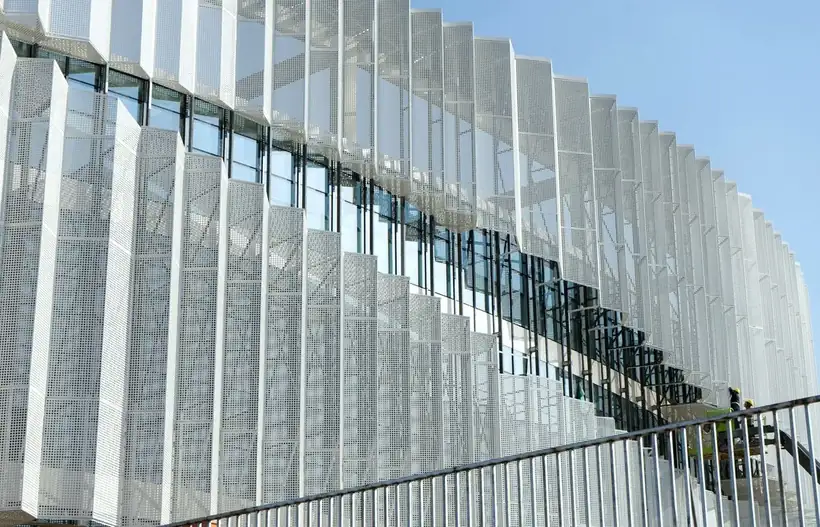
Execution and quality
Aluminium project execution and quality control, from site readiness to handover
Aluminium project execution and quality control run in five steps: site readiness, completing details in the technical office, supply, installation with quality review, then handover. Once your project is on site, you need to know what is ready and what still needs completing.
What does the site need before installation starts?
Not every area of a project is ready at the same time, so readiness is checked area by area before any installation starts. Reviewing these points decides which areas can take the work now and which should wait until they are ready:
- The scope of works to be carried out
- The drawings and details for the area
- The readiness of the components
- The state of the openings or facades
- Plastering finished around the openings, because final sizes are taken after it
- Neighbouring works that may affect installation
- The current project stage
Details that need shop drawings, a Material Take-Off or extra fabrication information go through the shop drawings and technical office before they move to execution.
Coordinate supply with site readiness
Components arriving on time is not enough if the area is not ready to receive or install them. Supply is therefore tied to the state of the site and the sequence of work, so the work arrives at the stage where it can actually be handled.
Follow the installation of aluminium and glass works
During execution you need a clear picture of what has been installed and what remains: work starts in the ready areas against the approved drawings, progress is tracked, installed parts are reviewed, and the move to the next areas is coordinated.
The technical details differ between aluminium doors and windows, curtain wall, structural glazing, skylights and aluminium cladding, by system and project requirements.
Review quality during execution
The sooner a remark is caught after the work is done, the easier it is to tie it to its element or area. The review may cover the condition of components on delivery, the work during installation, details that need completing, remarks on installed parts, and the state of the scope before handover.
When is the scope ready for handover?
When the required items have been carried out and the remarks on them have been reviewed and closed under the agreed scope and the project documents. Before handover the picture must be clear: what was done, what was reviewed, what was completed and what, if anything, remains.
A remark after handover is reviewed against the scope and the project's warranty terms; see warranty and after-sales maintenance of our work.
Is your project in execution now?
Send the project's current status
The project city and stage, the scope of works, the ready areas, the latest drawings and what has already been done.
What should you check when accepting aluminium and glass works?
Before signing the acceptance, check that the frames are firm and true in their openings, the silicone around them is sealed, every sash and door opens, closes and locks smoothly, the glass and profiles are free of breaks and scratches, and the installed work matches the specification written in the quotation.
How does execution move to handover? Five steps
Execution moves in a fixed order: site readiness, missing details settled in the technical office, supply matched to the ready areas, installation with a quality review, then handover. Each step is closed before the next, so remarks are settled where they arise:
- Check site readiness Check the scope, the drawings for the area, component readiness, the openings or facades and any neighbouring works that affect installation.
- Settle missing details through the technical office Shop drawings, a Material Take-Off or extra fabrication information are settled before execution, not after.
- Coordinate supply with site readiness Supply follows the state of the site and the sequence of work, so components arrive where they can be installed.
- Follow installation and review quality as you go Components are checked on delivery and work during installation, so each remark is tied at once to its element or area.
- Confirm the scope is ready for handover Every required item is carried out and every remark reviewed and closed under the agreed scope and project documents.
Where an item touches a mandatory safety requirement for building elements, the reference is the Saudi Building Code and the project's own specifications, not common practice. See Saudi Building Code compliance and quality standards.
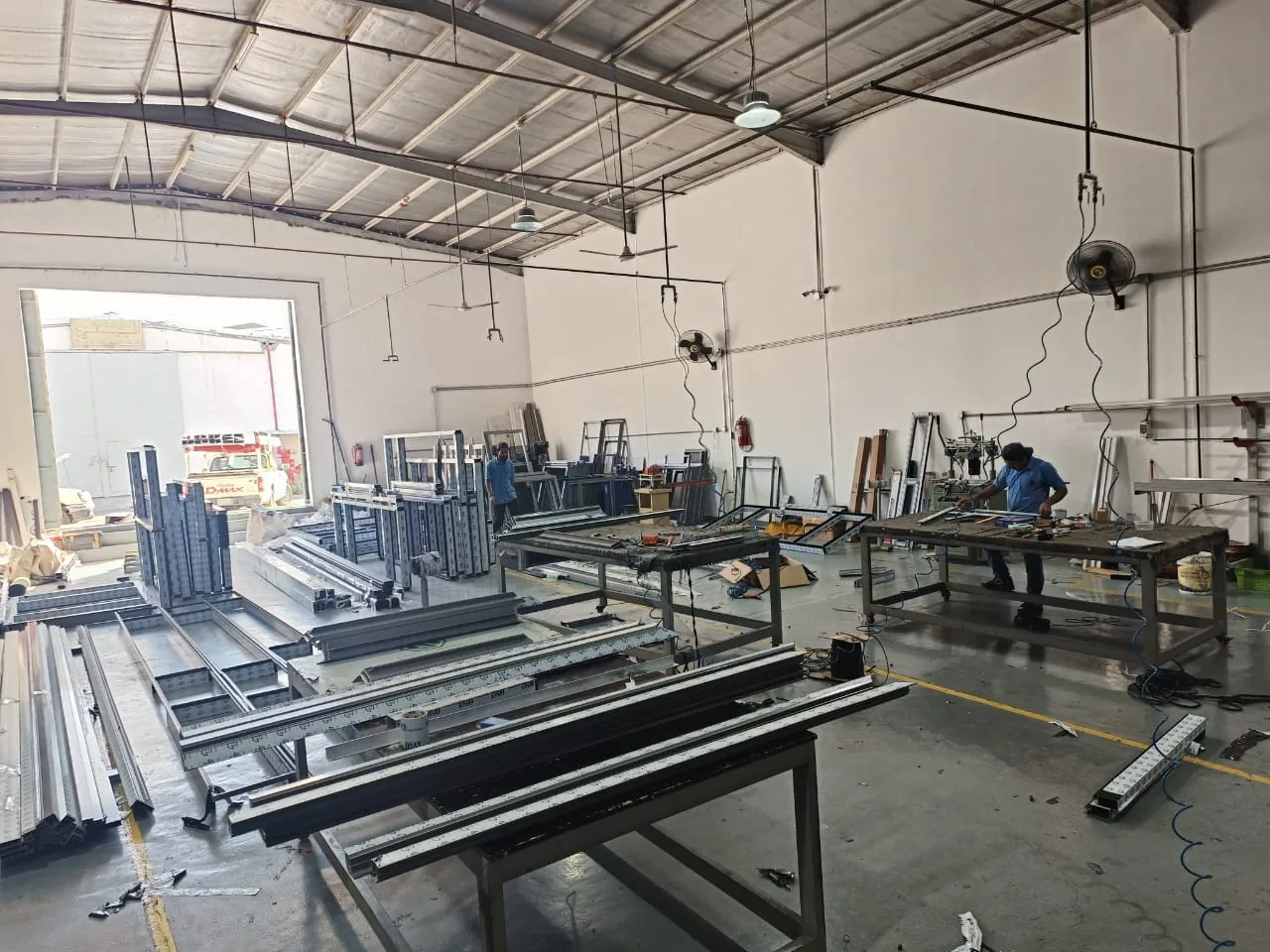
Frequently asked questions
How does Qusoor Al-Sultan follow execution on site?
In five steps: site readiness, missing details settled through the technical office, supply coordinated with the ready areas, installation with a quality review, then a scope ready for handover. Installation starts in the ready areas against the approved drawings, and every remark is tied at once to its element or area.
When is a project ready for handover?
When every required item has been carried out and its remarks reviewed and closed under the agreed scope and project documents, so it is clear what was done, reviewed and completed, and what remains. A remark after handover is reviewed under the warranty terms.
What happens if new measurements appear during execution?
They are reviewed in the technical office to find which sizes, details and fabrication information they affect. If the change needs shop drawings, a Material Take-Off or extra fabrication information, it is settled before the element moves to fabrication or installation, not after.
When are the final opening sizes taken?
After the plastering around the openings is finished, because final sizes are taken from the finished opening. Any difference from the drawings goes back through the technical office before fabrication.
Why is supply tied to site readiness?
Because components arriving on time are not enough if the area cannot receive or install them. Supply follows the state of the site and the sequence of work.
Technical review: Eng. Hisham, factory manager at Qusoor Al-Sultan, with more than 20 years of management and technical experience in aluminium and glass. He reviews the technical content of this page. Last updated: 6 October 2026.